NEW RED LIGHT STOCK IN STORE Dismiss

  • Skip to main content
  • Skip to footer

The Horses Back

Body Talk for Thinking Owners

  • Home
  • Articles
  • BEMER
  • Store
    • Store
    • Shipping
    • Returns
    • Support
  • Equine Healthworks
    • Bodywork for Horses
    • Reviews
    • Leave a Review
  • About & Contact
    • About
    • Contact

Bodywork

If You Have an Itchy Horse, You Really Need to Read This Book on Neck Threadworms

June 11, 2026 by Jane @ THB Leave a Comment

Fact:  neck threadworms are now a problem in more countries than 50 years ago. Why 50 years? Because that’s when the bulk of the research into the parasite Onchocerca cervicalis was published.

And an awful lot has changed since then. Uppermost are the shifting weather patterns that have created more warm, wet conditions that the parasite loves – and this has happened in more countries.

It’s a problem your local vet may not be 100% aware of – and it’s not just me saying that. See the results of this UK survey conducted by the University of Liverpool in 2022, published in the Journal of Equine Veterinary Science, and then there’s this vet magazine article frm 2024.)

So if your horse has a seasonal itching problem that nobody can get to the bottom of, then there’s a possibility that neck threadworms might be involved.
Why you need to read this neck threadworms eBook

Almost by accident, an article I wrote in 2012 put neck threadworms on the international map. It was written for my local clients in the coastal zone of northern NSW, Australia, but when I shared a link on Facebook, it suddenly went viral.

The way it took off and the immediate feedback told me everything I needed to know about how horse owners were desperate for answers. Some had horses with their ears shredded from itching. Another had spent in the region of US $10K on veterinary investigations.

All when a couple of tubes of ivermectin or moxidectin could provide an answer that changes horses’ lives.

If you have an itchy horse, you’ll know just what a nightmare this condition can be. 

Your horse is rubbing themselves raw. You’re forever replacing ripped fly rugs. You buy any number of no-itch products that don’t work, or work and then seem to stop. Your vets bills rise, as you pay for test after test, with no answer in sight.

Be honest now. Does any of this sound familiar?

If it does, neck threadworms may be affecting your horse

Not every itchy horse has neck threadworms, but for those that do, this parasite (aka Onchocerca cervicalis) is a nightmare.

And yet, for the cost of a few tubes of dewormer, it can be quickly identified. You can then follow a worming protocol that brings the problem under control.

It takes dedication, but it can be done.

Find the critical information in this eBook: All You Need to Know About Neck Threadworms and your Itchy Horse.
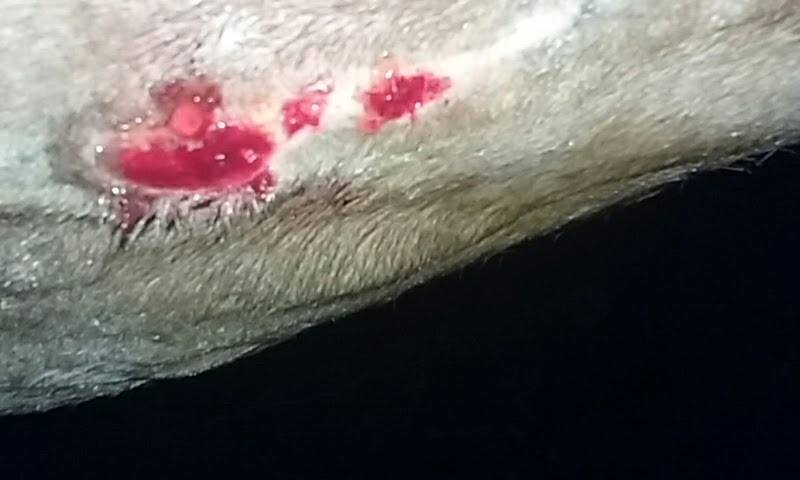
 

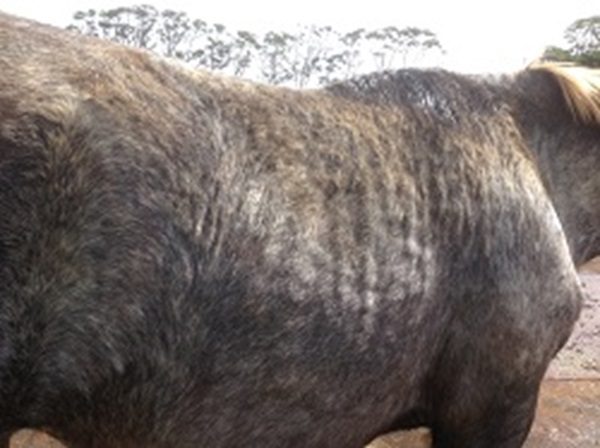
Itching along the center line is a sign, but is not always present.

This neck threadworms eBook can be a life changer

That’s no exaggeration. Hundreds of horse owners can testify to the usefulness of the info in All You Need to Know About Neck Threadworms and your Itchy Horse.

I’ve received emails and messages from owners whose years’ long battle against the itch has finally been solved.

Owners whose  horses are now relaxed and free of torment.

Other owners have been able to stop the problem from the get-go, as with the help of this eBook, they’ve recognized why their horse has just started itching.

A solution to your horse’s problem with neck threadworms

In this succinct eBook, you’ll find everything you need to know:

  • What the parasite is
  • How it behaves
  • Why it’s such a problem for horses
  • How to manage neck threadworms
  • What you need to do, and when
  • Why not every itchy horse has neck threadworms
  • All your nagging questions answered…


And who am I?

My name is Dr Jane Clothier and I’ve been researching and writing about this parasite for nearly two decades. I have a PhD in an equine development subject, meaning you can rely on the information included as being validly researched and carefully interpreted.

_________

This eBook is available from thehorsesback store. The eBook can be read in Apple Books, Google play, and eReaders such as Calibre (free Calibre download).

_________

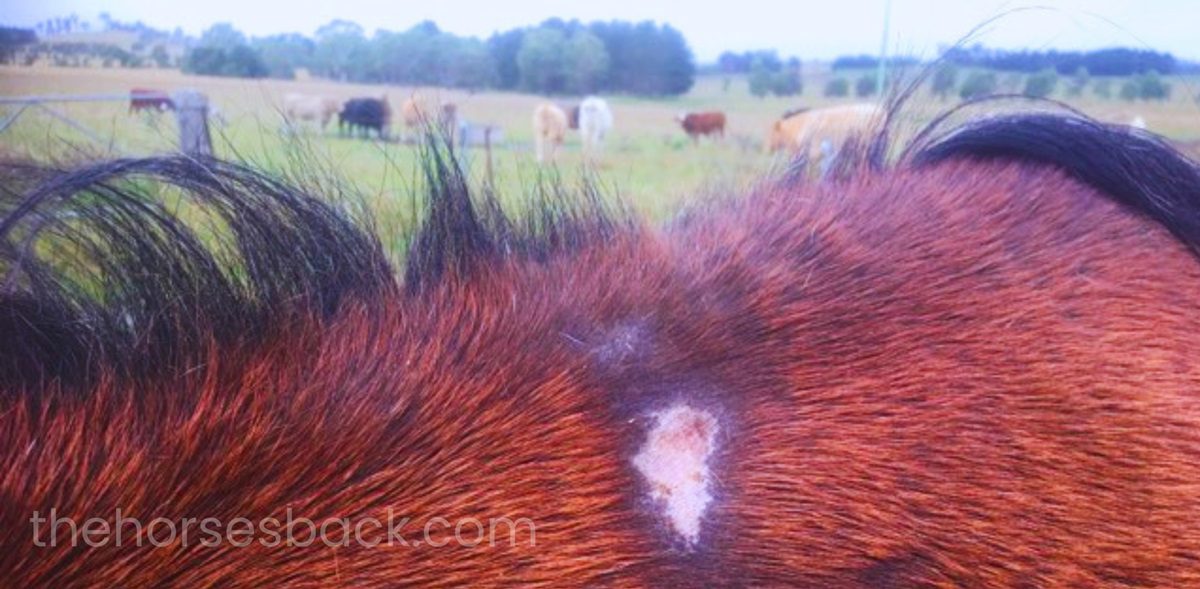
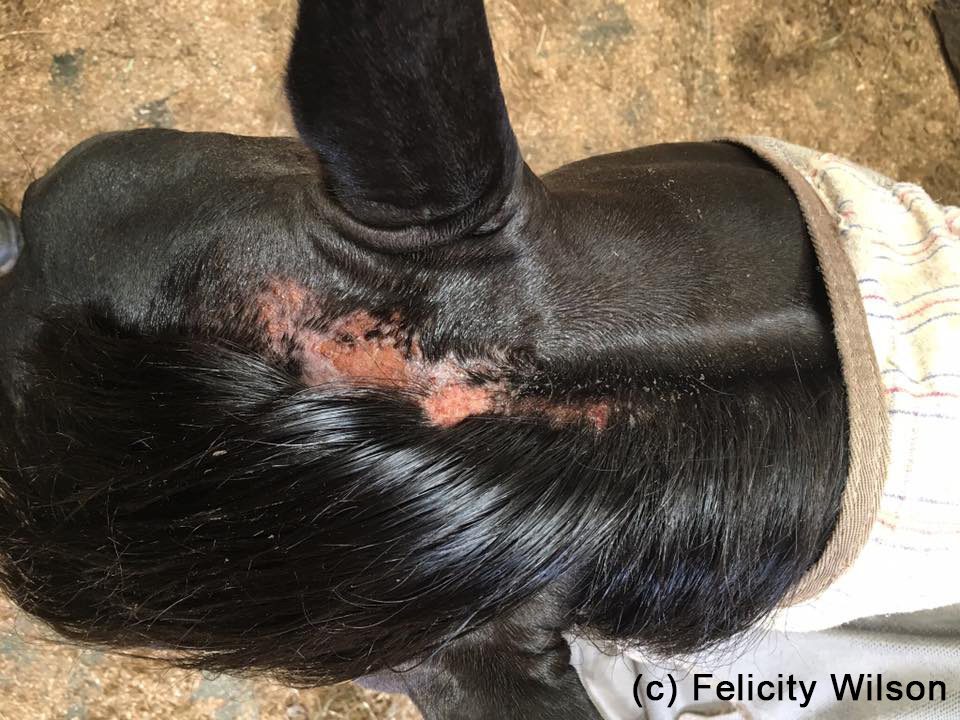
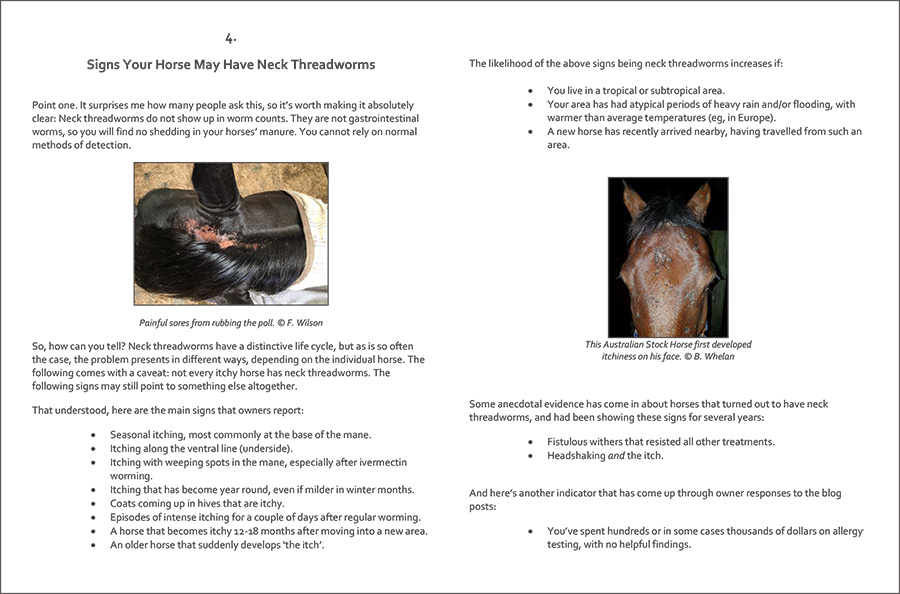
Photos that show the signs of neck threadworms

You  need to know what to look for, so I’ve included photos showing common presenations. Some are typical and match the ones that equine vets have learned about.

Others aren’t – and that’s important to know.
The lowdown on neck threadworms in 20 chapters

The book is organised to make it easy as possible to read up on this parasite. Here are the chapters:

1. Introduction
2. Quick Check: Treatment Protocols
3. The Strange Lifecycle of Neck Threadworms
4. Signs Your Horse May Have Neck Threadworms
5. Can We Test for Neck Threadworms?
6. Is it the Itch – or Neck Threadworms?
7. Can Neck Threadworms Lead to ‘The Itch’?
8. The Treatment Protocols
9. Intense Itching After Deworming
10. How Long Do We Continue Deworming?
11. Deworming for Neck Threadworms and Gastrointestinal Worms
12. Reducing the Ulcer Risk
13. Managing the Itching Response
14. An International Parasite
15. Can We Overcome This Problem?
16. Biting Midges Differ Worldwide
17. How Does the Parasite Move Within the Horse?
18. A Problem with Diagnosis
19. Where to Next with Neck Threadworms?
20. More Help

_________

This eBook is available from thehorsesback store. The eBook can be read in Apple Books, Google play, and eReaders such as Calibre (free Calibre download).


IMPORTANT!

Almost every month, I hear from someone who is unable to open the eBook. Here’s  what you need to do.

  1. You will receive downloads of the following files: .ePub .mobi, which you can read in an eReader app on your device or laptop
  2. So, please check your emails after purchase – the email will be from PAYHIP, the service provider I use to distribute the eBook. Check your Spam folder!
  3. On a laptop or PC, save the attached files to a folder.
  4. You’ll need an eReader on your laptop, mobile or tablet to read this book. This is an app, such as Calibre, Apple Books or Google Play – there are many others available, mostly free and easy to use.
  5. Just open your eReader and your downloaded eBook should be viewable  straightaway. On laptops, you may need to browse to your saved files.

If you really can’t cope with eReaders…

I’ve made the PDF available. The higher price reflects the fact that in doing so, I am losing control of my intellectual property.

Note: this information is not intended to replace veterinary advice. Your equine veterinarian should always be consulted prior to starting any treatment protocols.
Filed Under: Bodywork

Here’s How Effective Paddock Management Can Improve Your Horse’s Health

June 4, 2026 by Laura Hobbs Leave a Comment

The importance of land management in the horse paddock, and its close relationship to horse health, is explored in this guest post by Laura  Hobbs, Chartered Environmentalist, of Switch Equine. Based in the UK, Switch Equine helps horse owners and professionals create thriving environments for horses. Here, Laura introduces the SWITCH framework, a system offering a way to understand the challenges and solutions involved.

Laura writes:

We spend so much time trying to do right by our horses. We adjust feed, tweak routines, try new supplements, manage turnout, and consult professionals.
Yet many of the issues we face – weight gain, hoof weakness, parasite pressure, behavioral tension, metabolic instability, skin problems – keep returning. They appear in different seasons, in different horses, under different management styles. They seem unrelated.
But they are not unrelated. They are environmental.

To help owners see these patterns, I created the SWITCH framework – a simple way to think about and understand how land and horse health are intertwined. It’s not a method or a product, but a way of thinking.

Horse grazing - Paddock management

The Horse Paddock and the Evolved Horse

When we step back far enough, using a systems‑thinking lens, a different picture emerges: our horses are intrinsically linked to the environment that shaped them over 55 million years of evolution.

Their physiology, behavior, metabolism, hooves, and immune systems remain remarkably similar to their ancient ancestors. What has changed – dramatically – is the environment we keep them in.

The question is no longer ‘How do we fix this individual problem?’ The question is: ‘Do our management systems support the environments horses evolved to depend on?’

Why the Horse Paddock is a System

Horses live in systems, not management categories. Modern equine care tends to break things into parts: nutrition, behavior, hoof care, grazing, stabling, parasites, etc. But horses don’t experience their lives in categories. They experience them as a whole, interconnected system.

A systems‑thinking approach recognizes that:

  • Soil influences forage.
  • Forage influences metabolism.
  • Water influences movement, mud, and microbial balance.
  • Terrain influences hooves and posture.
  • Integration influences behavior and emotional wellbeing.
  • Climate influences comfort and seasonal rhythms.
  • Management decisions influence all of it.

When we look at the horse through this wider lens, many of the conditions we treat as isolated problems begin to make sense as environmental signals.

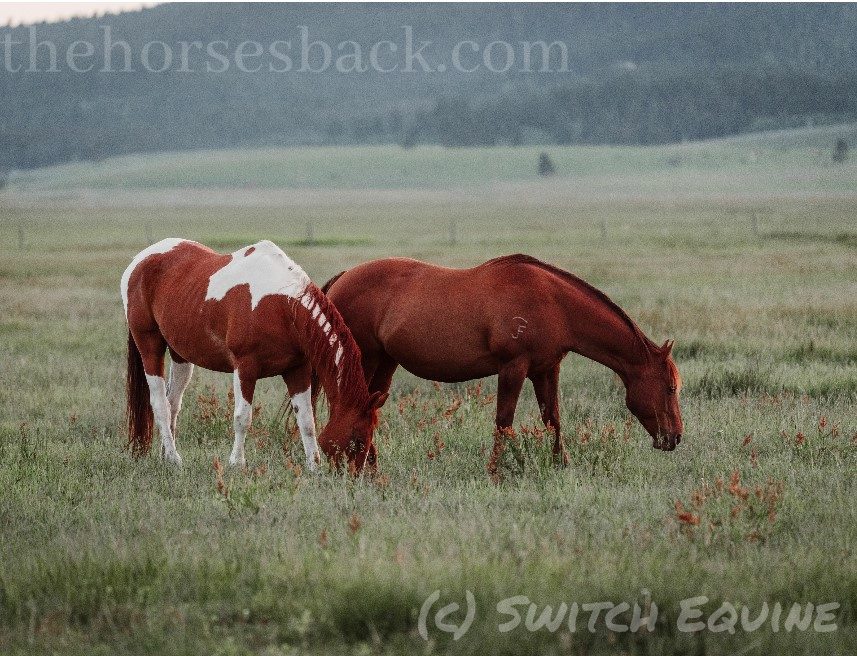
Two horses grazing Paddock Management USA

Environmental Signals Affect Horse Health

We need to look not at isolated conditions, but at environmental signals.

Liver Health

Consider forage quality and liver health. Horses grazing on low‑diversity, overgrazed, or waterlogged pastures are exposed to plants and fungi that produce secondary metabolites, endophytes, and mycotoxins. These compounds are not dramatic poisons – they are natural stress responses in plants and soil microbes.

But when soil structure is poor, biodiversity is low, or water sits on the surface, these compounds accumulate. The horse’s liver becomes the buffer for an ecological imbalance happening beneath their feet.

What looks like ‘mystery liver disease’ is often the body absorbing the consequences of stressed land.

Hoof Health

Consider hoof quality. Weak walls, cracks, thrush, and white line disease are often treated as hoof management issues, yet they are strongly influenced by terrain, moisture cycles, microbial balance, and movement.

Hooves reflect the ground they meet. Flat, compacted, or chronically wet land produces very different hooves from varied, textured, well‑drained terrain.

This is not a trimming problem. It is a landscape problem.

Parasite Pressure

Parasite pressure is another clear example. Eggs and larvae thrive in specific moisture and temperature conditions. Soil structure, grazing patterns, and water movement determine whether parasites disperse or concentrate.

Modern guidance now emphasizes targeted worming, not blanket treatments, because the real driver of parasite load is how we graze, not how often we dose.

Overgrazed or repeatedly grazed areas create parasite ‘hotspots’, while well‑designed grazing systems dilute pressure naturally. Parasite management is not a chemical issue – it is a soil-water-integration issue.

Laminitis Risk

Yes, even laminitis – often framed as a purely nutritional or metabolic condition – has clear environmental dimensions.

People know about spring and autumn flushes – that isn’t new. What is less widely understood is that stressed, overgrazed grass can contain higher concentrations of sugars per mouthful. This is because plants under stress (drought, cold nights, overgrazing, compaction) accumulate non‑structural carbohydrates faster than they can use them.

This means that a short, sparse, ‘safe‑looking’ paddock can deliver a higher metabolic load than a longer, more diverse sward. Laminitis is not simply a feeding mistake. It is a soil-plant-stress interaction showing up in the horse’s feet.

Across all these examples, the pattern is the same: the horse’s body is responding to the environment.

Horse grazing in long grass - paddock management

SWITCH: A New Approach to Paddock Management

To help owners see these patterns, I created the SWITCH framework – a simple way to understand how land and horse health are intertwined. It’s not a method or a product. It’s a clear, useable lens for understanding and seeing the whole system.

S – Soil

Soil influences forage quality, mineral balance, and metabolic resilience. Healthy soils grow balanced plants; stressed soils grow stressed forage.

W – Water

Water shapes movement, mud, and parasite pressure. How water flows determines hoof health, skin health, and grazing safety.

I – Integration

Integration shapes behavior, movement, and emotional wellbeing. Horses need space, choice, and social interaction – all influenced by land design.

T – Terrain

Terrain shapes posture, proprioception, and hoof conditioning. Working with the landscape, not against it, builds strong, adaptable bodies.

C – Climate

Climate shapes comfort, hydration, and seasonal needs. Observing seasonal shifts – and building resilience through soil structure, plant diversity, and canopy layers – buffers horses from extremes.

H – Holistic management

Holistic management shapes everything. It is the overview that brings all these elements together. It is being proactive rather than reactive, adaptable rather than rigid, and responsive to the land rather than imposing a fixed plan upon it.

SWITCH helps us understand the horse’s whole life – from the soil beneath its feet to the systems that shape its health. It shows us not just what is happening, but why, and how to support resilience from the ground up.

Why the Environment is Central to Equine Welfare

To take this further: welfare is not a checklist, but a living system. The environment shapes welfare through:

Choice and agency: Land design determines whether horses can express natural behaviors.

Movement and exploration: Tracks, terrain, and grazing patterns influence how horses move, play, and interact.

Forage diversity and nutritional stability: Diverse plants support metabolic balance, gut health, and emotional regulation.

Immune function: Healthy soils and biodiverse environments support microbial exposure and resilience.

Proprioception and physical development: Varied terrain builds strong, adaptable bodies and confident movement.

Emotional regulation: Space, shelter, and social integration reduce stress and support calm behavior.

Metabolic balance: Forage quality, water flow, and soil health all influence metabolic load.


When we restore ecological function, we restore welfare. And when we work with nature, we support the whole horse – physically, emotionally, and behaviorally.


Filed Under: Bodywork

How Early Intervention Can Help Straighten Your Foal’s Crooked Legs

April 5, 2026 by Dr Lauren Jones Leave a Comment

This post on the early treatment of ‘crooked legs’ in foals (Angular Limb Deformities) is written by Dr Lauren Jones, the veterinarian behind Kentaro Veterinary Services, a mobile equine practice on the Coffs Coast of NSW, Australia.

Known for her calm, practical approach, Lauren spends her days helping horses from foals to elite eventers. She’s passionate about education, preventative care, and the demystification of veterinary medicine, giving owners clear, no-nonsense advice they can actually use. 

Dr Lauren Jones, Kentaro Veterinary Services

Dr Lauren writes:

Ever had someone say your horse is duck-footed or pigeon-toed? Or maybe that they paddle or have a wonky gait?

That’s often due to a conformational fault. The good news is that in foals, it’s something we can often correct before it becomes a long-term problem.

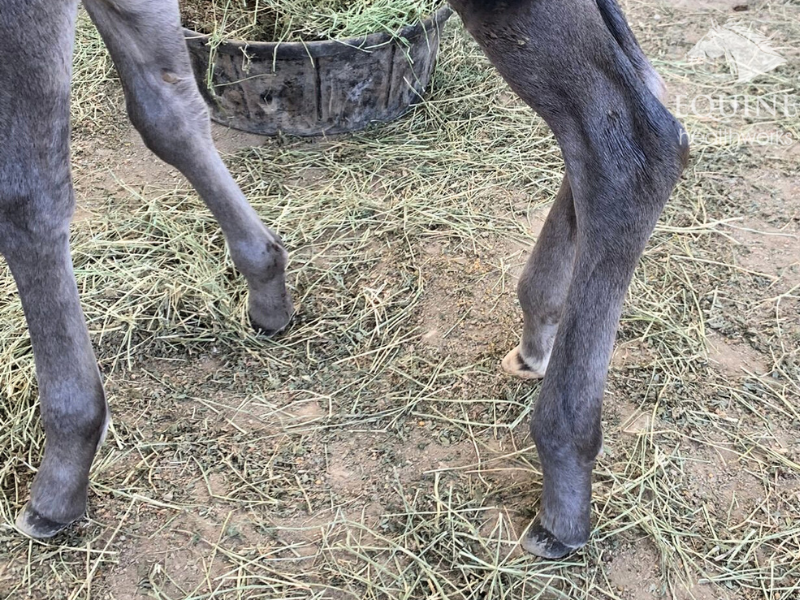
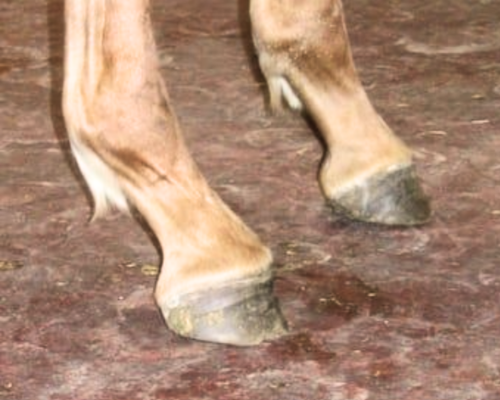
There are all types of these – legs that bend in, out, or are contracted or lax. Each type changes the way the joints line up and the way forces travel down the limb.

This is exactly why I’m so particular about foal checks at birth. Early intervention gives us the best chance to guide those growing legs into alignment.

It’s never a one-person job – it takes a team effort: dedicated owners, a skilled farrier, a bodyworker, and a vet with an eye for detail. Together we can make a huge difference in how that foal matures and moves for life.

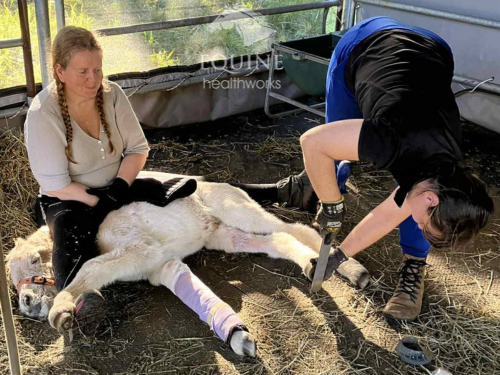
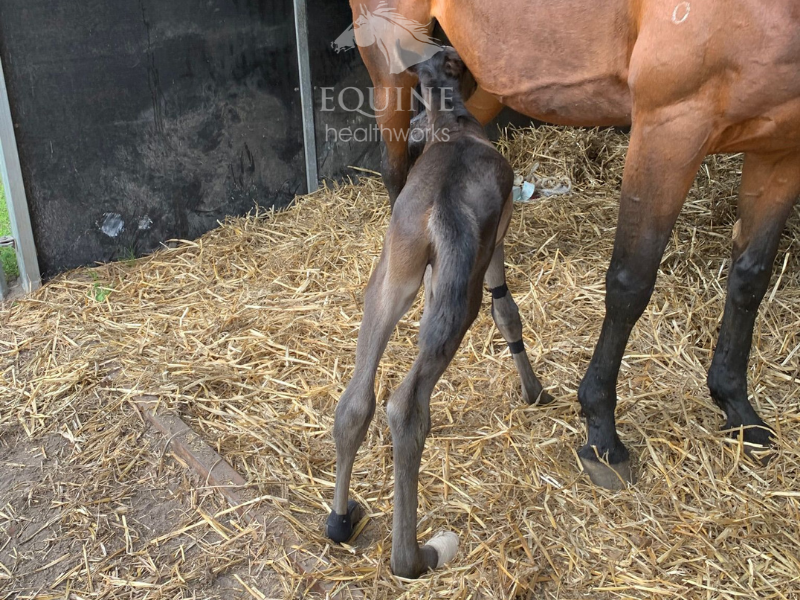
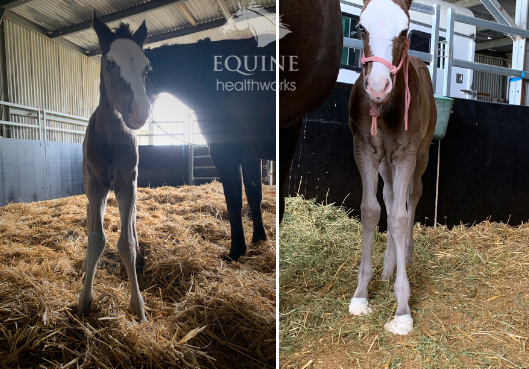
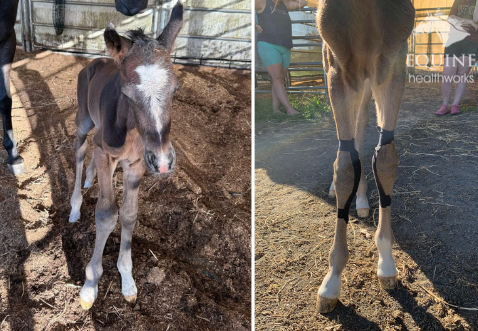
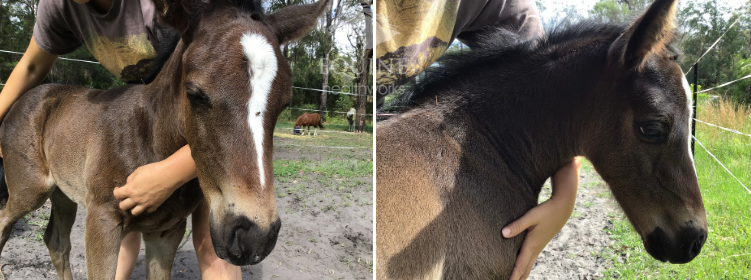
Foal hoof trimming and taping. Image (c) Lauren Jones
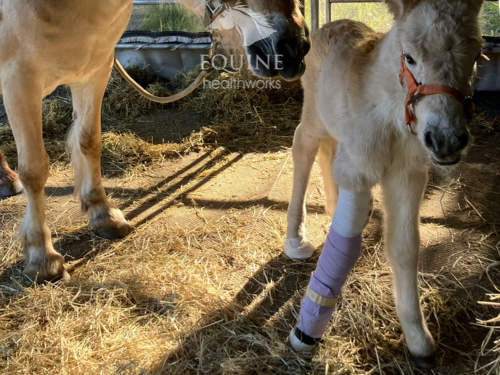
Foal hoof splinting and bandaging, plus trimming. Image (c) Lauren Jones

A quick run-down on those crooked legs

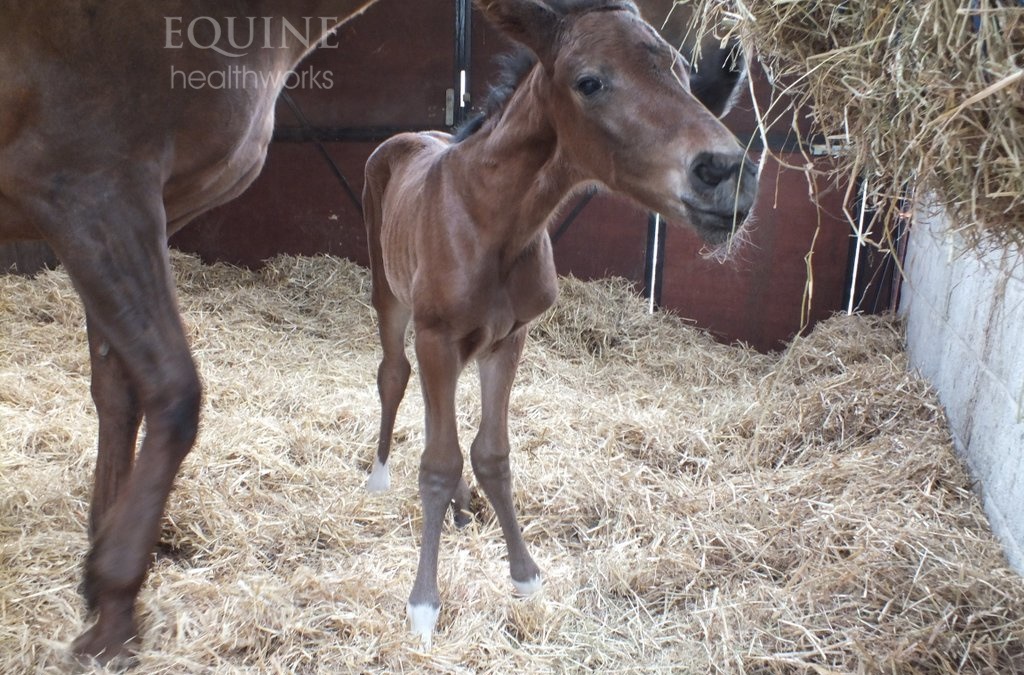
Angular Limb Deformities (ALD) can look like a foal doing the hokey kokey, but what’s really happening is much more complicated. These deformities come in a few different flavours and can be congenital (born that way) or acquired (develop after birth).

Carpal valgus (‘knock knees’) is one of the most frequently seen angular limb deformities. Image (c) M. Power

Congenital causes

These are usually linked to what happens before or around birth.

  • Soft tissue trauma during delivery.
  • Lax or flaccid joints, when the ligaments and tendons are just a bit too stretchy at birth.
  • Premature birth, twin pregnancies, placentitis, etc. can cause underdeveloped bones (incomplete ossification)
Congenital angular limb deformity
Forelimb and hindlimb contracture is a less commonly seen congenital angular limb deformity

Developmental (acquired) causes

These are termed ‘acquired’. They tend to show up a bit later and are often influenced by:

  • Unbalanced nutrition (too much, too little, or the wrong mix for growing foals).
  • Excessive exercise or trauma – those young legs take a lot of load too quickly.
  • Environmental factors – a hill can cause a slant if a foal is already tending one way or another.
  • Lack of good hoof care early can lead to abnormal wear, changing the forces on the foot.

Some of these can be sneaky and hard to spot until the foal hits the ground and starts moving.

Acquired flexural deformity in a foal (c) Dr. C. Whitton, MSD Manual

In simple terms, we talk about:

  • ‘Valgus’ is when the limb angles outwards (toes point out, knees or hocks in).
  • ‘Varus’ is when the limb angles inwards (toes point in, knees or hocks out).
  • Contraction is when everything is too tight.
  • Laxity is when everything is too loose.
  • A combination of all the above.

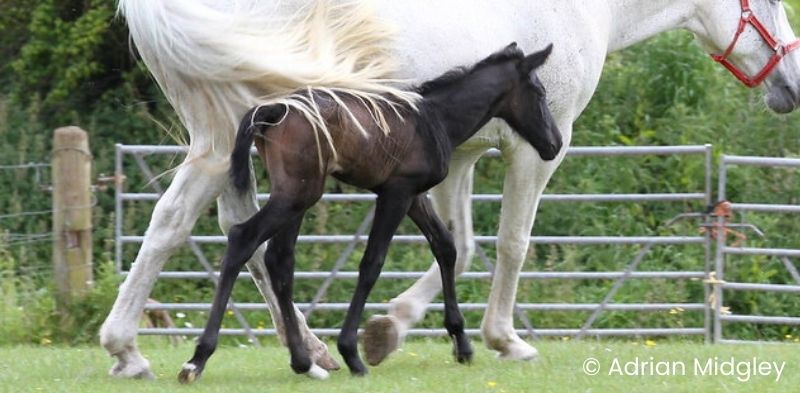
Windswept at birth


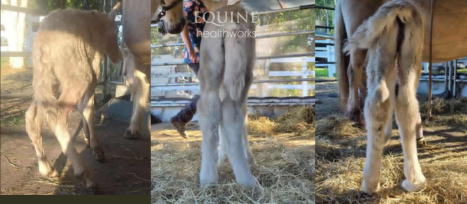
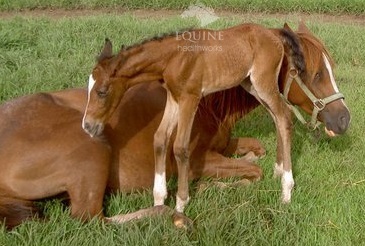
And ever seen a little foal that looks like the wind’s been blowing from one side a bit too long? Meet the windswept foal – a classic example of Angular Limb Deformities in action. This foal is half Valgus, half Varus. You put your left foot in and your right foot out and shake it all about…


Straight talk about treatment

Every foal is different, and the key is working out whether that crooked leg needs a bit of time, a trim, or a team approach to get things straight again.

The good news? With the right plan and good teamwork, these cases can do brilliantly, and what’s more, they do so in a pretty short period of time.

Here’s how we can tackle mild to moderate limb deformities with conservative management. For more severe cases, surgical management is an option.

Exercise-restriction or controlled exercise

When the muscles are too tight, then we need to rest them to let them relax. When the muscles are too loose, they need gentle exercise to strengthen them.

Corrective trimming

Our farrier team works magic here! Small, frequent trims can help rebalance how the foot hits the ground and redirect forces up the limb.

Here we are looking at left-to-right imbalances. When you pick up the foot of a pigeon-toed horse, you will notice that one heel is longer than the other. The first step is to even the heels up (it can be millimeters), before reassessing.

If the fetlock is straight, great! If not, we can come back and take off a couple more millimeters. Be wary, as there isn’t much foot to play with. It’s best to do this trimming under an experienced eye.

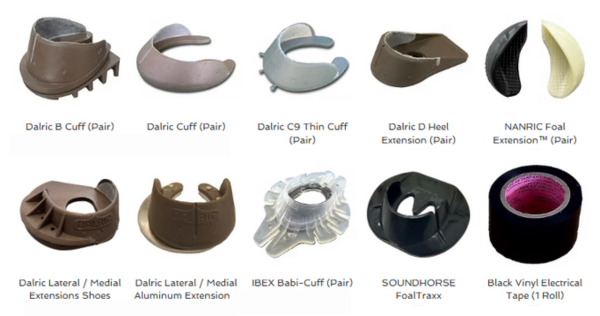
Hoof extensions

Glue-on or lightweight extensions can shift the weight distribution and give growing bones a little nudge in the right direction.

Carpal valgus is one of the most common angular limb deformities. Image (c) Lauren Jones


Foal hoof extensions
Dalric hoof extensions by Nanric. Available https://www.nanric.com/foal-shoes

Physio tape

This fires the nerves to work more on one side than the other, due to gentle tactile feedback. This can encourage the muscles to work slightly harder on one side in order to straighten the leg.

Splints and bandages

Used carefully and for short periods, these help support weak or lax joints while the soft tissues strengthen. They can also be used to gently stretch tight joints. Note: these look simple, but are not without risk, as they can heat up the leg, slip, or cause rub. It’s very easy to end up with long-lasting scar tissue and white hair. If used incorrectly or if the foal is too boisterous, they can cause negative effects quickly!

Bodywork

Some gentle bodywork, including a little limb mobilisation and stretching, or acupuncture can help ease the muscular tensions that build up as the foal works hard to balance itself. Some modalities will stimulate the nervous system and help it to ‘forget’ the incorrect posture as the limbs improve.

Surgery

For more severe or stubborn cases, we can use veterinary surgery. ‘Stripping’ is when the bone membrane is lifted to speed growth on the ‘short’ side of the leg. ‘Stapling’ is when a screw or pin is fixed across the growth plate to slow growth on ‘long’ side of leg. That’s how surgery influences bone growth. It’s a higher level of intervention, but timing is still critical.

Should your foal be confined or not?

Owners are often ‘advised’ by well-wishers that they should keep their foal confined, or allow it to run around to exercise – with the same advice being given for all manner of Angular Limb Deformities.

Try not to take such advice, but instead get a vet with an experienced eye for forelegs AND hindlegs to have a look at mare and foal in the first 12 to 24 hours. Doing so gives many advantages.

 For the mare, we check that:

  • She has passed her membranes,
  • Her udder is comfortable,
  • Any minor tears are treated.

We can also assess whether she is going to need a post-foaling flush treatment.

For the foal, we check that:

  • Meconium has passed normally,
  • The bite is strong,
  • The heart has no murmurs,
  • The lungs are clear,
  • The umbilicus is clean and dry,
  • There are no hernias,
  • Temperature is normal.

We also do an IGG test to check the immune system has absorbed enough antibodies from mum’s first milk, which carries colostrum.

Importantly, we check legs for straightness and development, seeing problems that the owner might not spot. We create a plan if they need treatment.

It’s best to keep both mum and foal confined until then! This also has another advantage: the pair bond in a safe place so that mum doesn’t need to get over-protective or run from that ‘lion’, over-exercising those vulnerable baby legs.

Be sure to act in time

No matter the approach, monitoring is critical. Foals grow fast, sometimes changing week to week, and what’s perfect timing for one joint might be too late for another.

Don’t leave it too late! Fetlock deformities are best addressed before 4 months of age, as growth plates near closure. The window for knee and hock deformities is longer, but the best results are achieved before 6-8 months.

Where possible, early management is nearly always better, as you’ll see faster results for less intervention. It also leaves less time for problems to worsen or lead to additional issues.

That’s why early checks and ongoing follow-up visits make all the difference to your growing foal’s legs.

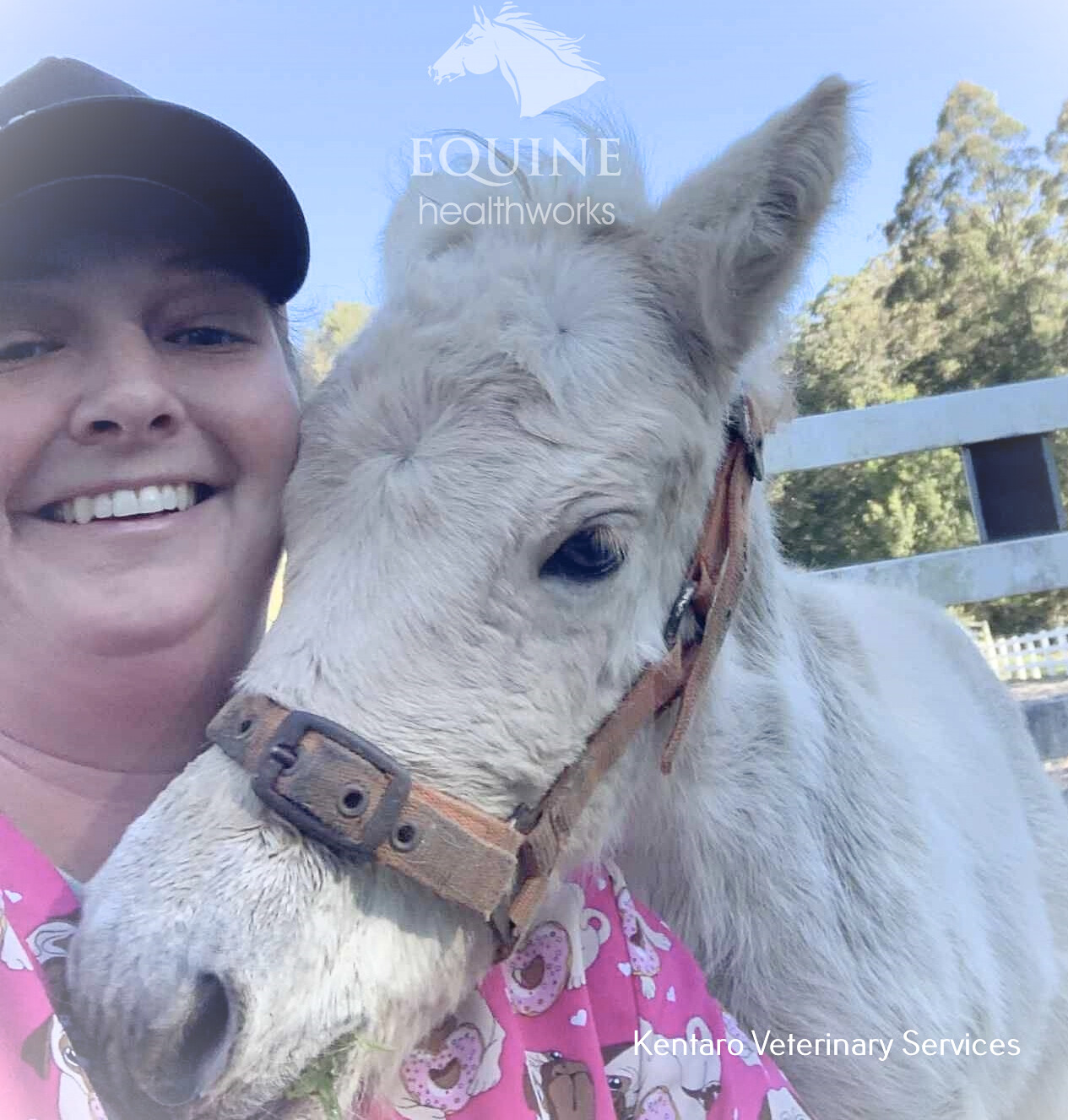
Dr Lauren Jones and friend

Filed Under: Bodywork

Hiring an Equine Chiropractor: 10 Crucial Questions You Need to Ask

June 28, 2025 by Jane @ THB Leave a Comment

When you’re hiring an equine chiropractor, it’s really important to ask some questions first. And I don’t mean just the usual ‘what do you charge’ and ‘do you work on Saturdays’, although you can obviously ask those too.

You see, there are chiros and then there are chiros. One group consists of equine chiropractors who are genuinely qualified and skilled, while the other includes chiropractors who are not.

Unfortunately, when it comes to hiring a correctly trained chiropractor, word of mouth recommendation isn’t always enough. (I look at some of the issues in an earlier post, Why Do Horse Owners Keep Hiring Unqualified Equine Chiros?)

And unfortunately, it’s often hard for horse owners to ask the right questions of professionals, because the fact is that many of us don’t know enough to know what to ask.

Why does this matter?

Equine chiropractic is one that’s called an invasive approach. This means it frequently involves the use of high pressure to get results (here’s a good university overview).

And the thing with approaches that use high pressure is that everything is fine – until it isn’t. That one mistake can be catastrophic, because a high-pressure move was applied in the wrong place or at the wrong time on a particular horse. This is very well expressed in this article by a veterinarian.

Note that some non-chiro equine vets are sceptical about the benefits of chiropractic. Some of this comes down to different uses of the word ‘subluxation’ – if you’re interested, holistic vet Dr Madalyn Ward DVM explains this aspect very well.

Questions you can ask a horse chiropractor

The following 10 questions may be helpful if you’re thinking of hiring an equine chiropractor.

Some of the answers may be on their website, so do take a look. If there’s no website, ask when you speak to them.

A qualified professional will not mind being asked at all, although do remember they may be busy. But with non-vet chiros, I’d count an irritated response to being asked as a potential red flag 🚩

By the way, if you’re thinking of hiring a chiropractor who’s a veterinarian, then you can be reassured that there’s a high level of professional regulation in place. This protects your horse and you as a customer. This also applies if you live in a region where all equine therapists are heavily regulated. In such cases, you may not need to ask more questions at all.

Otherwise, here’s where you can start.

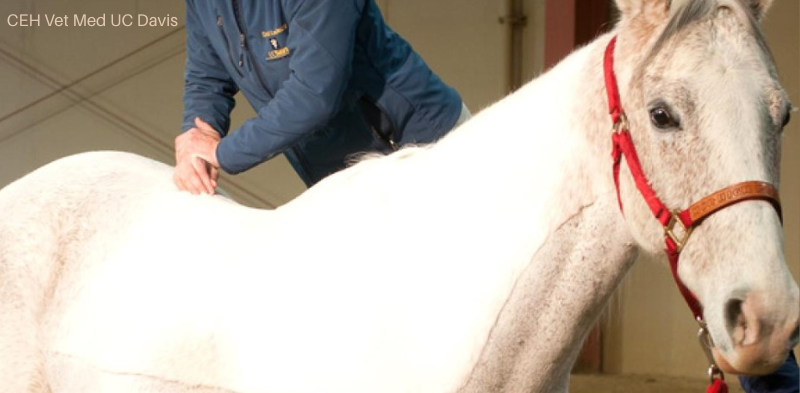
(c) https://vetmed.illinois.edu

1. “What is your qualification?”

The answer to this does not always tell the whole story, but is definitely a good starting point. You’ll most likely find it on the website.

It’s not always true that big qualifications make good practitioners. However, when it comes to invasive practices – i.e. those that use a higher level of pressure, meaning moves will have an impact, come what may – solid qualifications are essential. No qualification is a cause for concern 🚩

2. “Where did you train?”

It follows that their qualification needs to come from a reputable training organisation. Find out the answer (it’s likely to be on the website), and then look it up. Is it accredited? Does it come with approvals from regulatory bodies? If not, 🚩

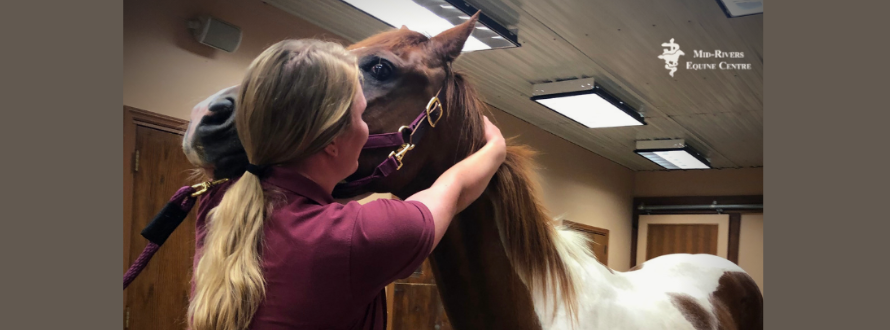
(c) https://www.midriversequine.com

3. “Does your work involve pressure?”

This follow-up question might relate to the practitioner’s understanding of their work and its effect. This is a roundabout way of identifying the possible use of high pressure or force – read this post about Unqualified Equine Chiros for more on this.

If the question can’t be answered, the chiropractor may not even understand what it means, or why it’s important. And if they don’t the answer, how much are they thinking about your horse’s experience of their work? Red flag alert🚩

4. “How exactly do you get results?”

Again, if joints are simply being pushed and pulled, or if the practitioner learned just by watching someone else, this question may be tricky to answer 🚩

On the other hand, if the chiropractor answers articulately, you may not understand what they are on about – anatomy and physiology can certainly be hard to dip into. If you’re not clear, try a follow-up question.

5. “Is there somewhere I can read about that?”

This is a follow-up question if you’re feeling bamboozled by science. Every practitioner should be able to point to a source of information, somewhere, or offer to send a link through later.  A vet may be busy, but they’ll at least mention their professional association’s website. Other qualified professionals will appreciate their customers being interested.

If you’re brushed off or the subject gets changed, take note 🚩

6. “Will you be able to tell me what’s wrong with my horse?”

This question is a bit of a bear trap. Diagnosing is telling you specifically what a condition is and trained professionals should know that only a vet can diagnose. So, if a non-vet chiropractor answers ‘yes’, you may have a red flag answer 🚩

7. “Does your approach always work?”

The answer should be that there’s never a guarantee, that some conditions can’t be helped (although the secondary effects can), that veterinary diagnosis and/or intervention may be required, or that not every approach works best for every horse.

If the practitioner says yes, they are either wearing rose-tinted glasses, don’t know as much as they should do, or are over-selling what they do 🚩

8. “How do horses respond to your work?”

If you care about the experience your horse is being lined up for, this is an important one to ask. “They like it” is not an adequate answer 🚩 You definitely need to hear a bit more about what happens with the horse after the session and what you can expect.

(c) https://www.coretherapiesdvm.com/

9. “Are you insured?”

This one can elicit an interesting answer, given that association membership and up-to-date qualifications are usually required for chiropractic due to its invasive nature (regulations vary by country and region).

I’d recommend that you NEVER hire a chiro who isn’t insured 🚩

10. “How many sessions do you recommend – and why?”

If you hear that all will be sorted out in one session, do not believe them 🚩 If they suggest that your horse should be treated every time they visit the area, hide your horse and padlock your wallet 🚩🚩


To sum up…

Now I realise that not every practitioner is super-articulate. In any group of professionals, there are those who speak well and those who are more introverted.

Hopefully, the information you’re looking for will be readily available on a website if not in conversation.

Yet as with any group of professionals, even with all questions answered positively, there’s no guarantee of high-level skills or ability – or sensitivity to your horses’ responses.

But you will be dramatically lowering the chance of hiring a poorly trained and less knowledgeable chiropractor who could be unwittingly putting your horse at risk.


Filed Under: Bodywork, Viewpoint Tagged With: equine bodywork, equine chiro, equine chiropractic, equine chiropractor, horse bodywork, horse chiro, horse chiropractic, horse chiropractor, vet chiro, veterinary chiropractor

BEMER And Bodywork: What I’m Seeing And Why I’m Hooked

February 26, 2025 by Jane @ THB 6 Comments

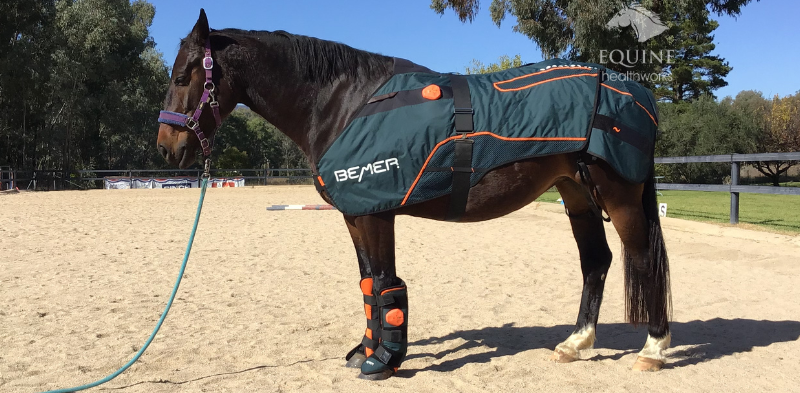
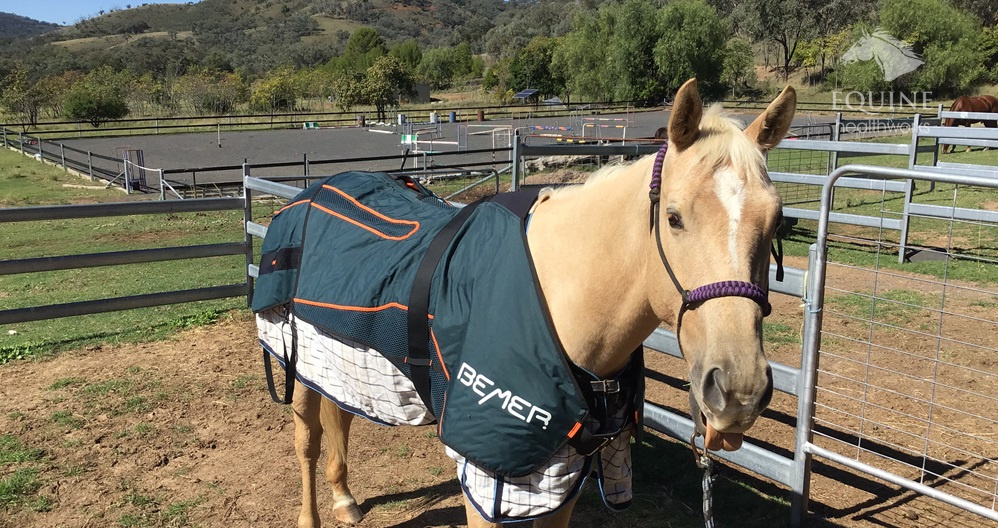
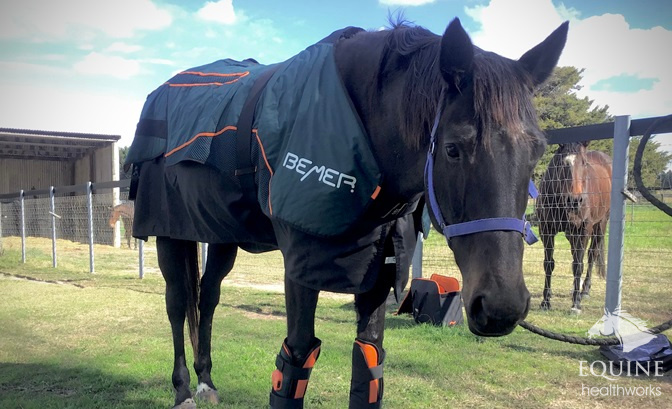
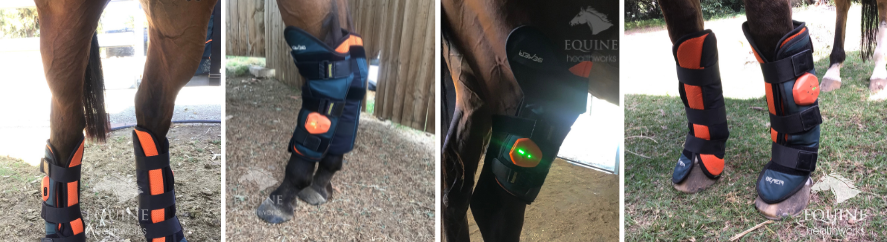
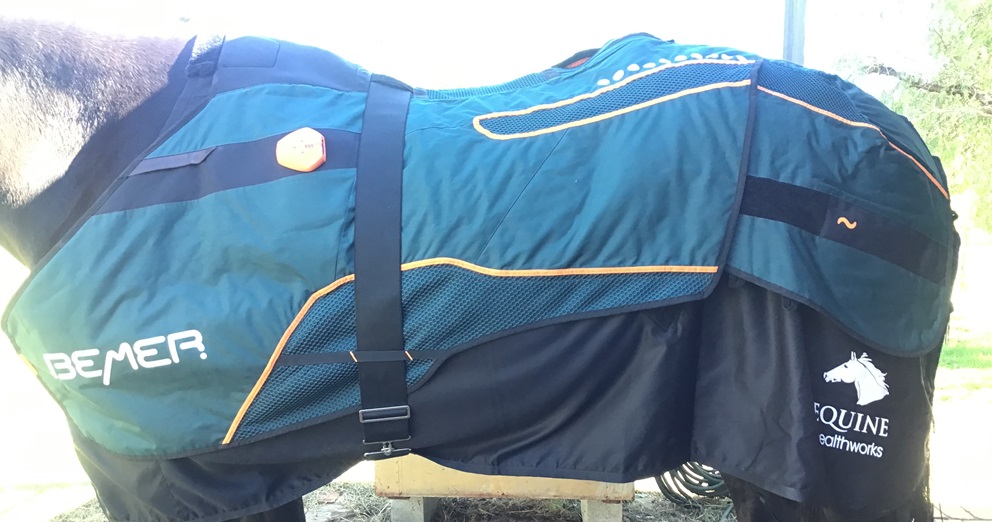
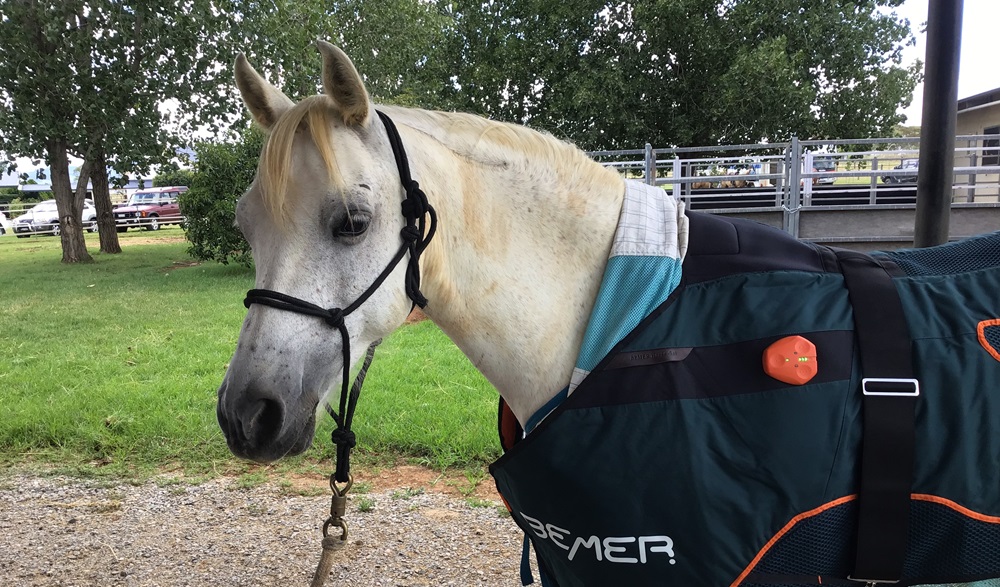
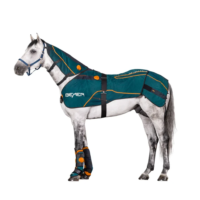
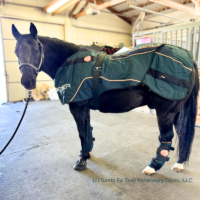
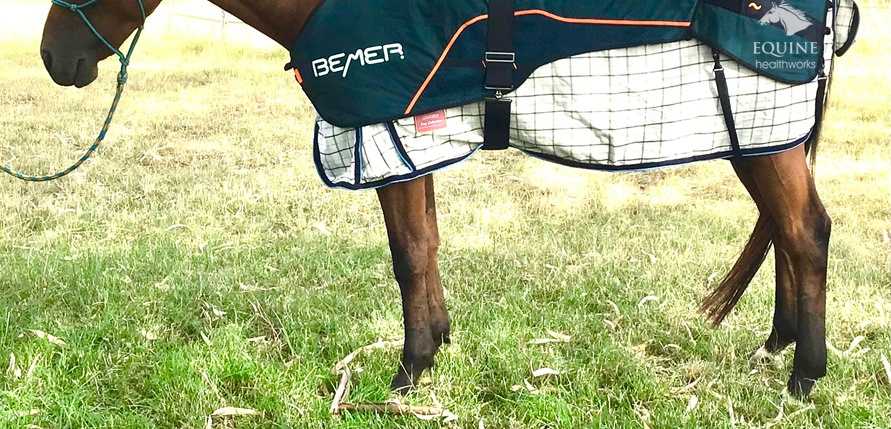
As a bodyworker, I’ve been using hands-on therapies to help horses for nearly 20 years. Only recently, I came across BEMER and decided to add this blanket and leg wraps to my practice, Equine Healthworks.

So how did I come across BEMER, what have I found, and – as a PhD-level critical thinker – what do I make of it?

Here, I explain how and why it fits into my holistic practice. I start with some observable effects in horses, then unpack these as to what might be happening, and finally explain where it sits in my view of how we work with horses.

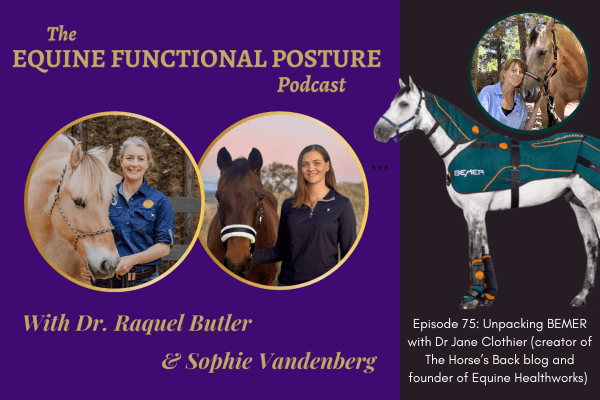
You might also be interested in this episode of Dr Raquel Butler’s Equine Functional Posture podcast (opens in a separate tab). This also reflects my personal experiences. It’s about an hour long.

Functional Posture podcast with Raquel Butler and Sophie Vandenberg

Note: The following content reflects my personal experience and views, and as such are anecdotal in nature. Always consult a veterinarian if you have concerns about your horse’s health. I am a BEMER UK partner presently in Australia and receive no compensation for this piece of writing.

How I was introduced to BEMER

As a rule, I don’t jump onto bandwagons, especially where the-next-great-device is concerned.

I’m the marketer’s nightmare, being a seriously slow uptaker of new technologies. And that’s why I had my heels dug in very firmly when a UK friend first started telling me about BEMER.

But then, after a few years (I’m not kidding), I started to do some reading. I found scientific papers and anecdotal information that were variously good, bad, or on the fence. Much of the good science related to the ‘human’ BEMER forerunner of the equine version.

It was only when a very qualified European colleague offered to hand deliver my own BEMER and, what’s more, give a presentation to my clients AND stay with me and talk BEMER all weekend, that I finally took the plunge.

Since then, I’ve been near-obsessing over how this therapy device is producing such remarkable results in the horses I work with.

My initial observations

What surprised me immediately was the similarity of physiological effects arising from the BEMER and those arising from my bodywork.

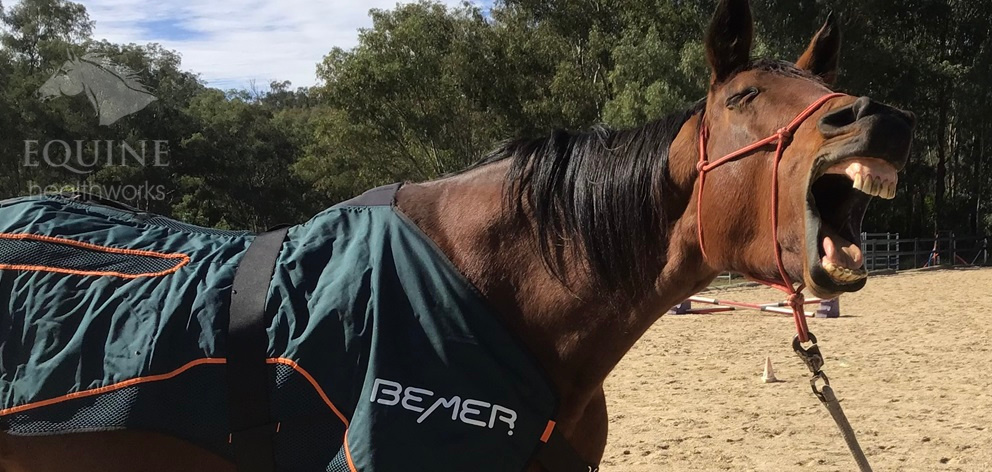
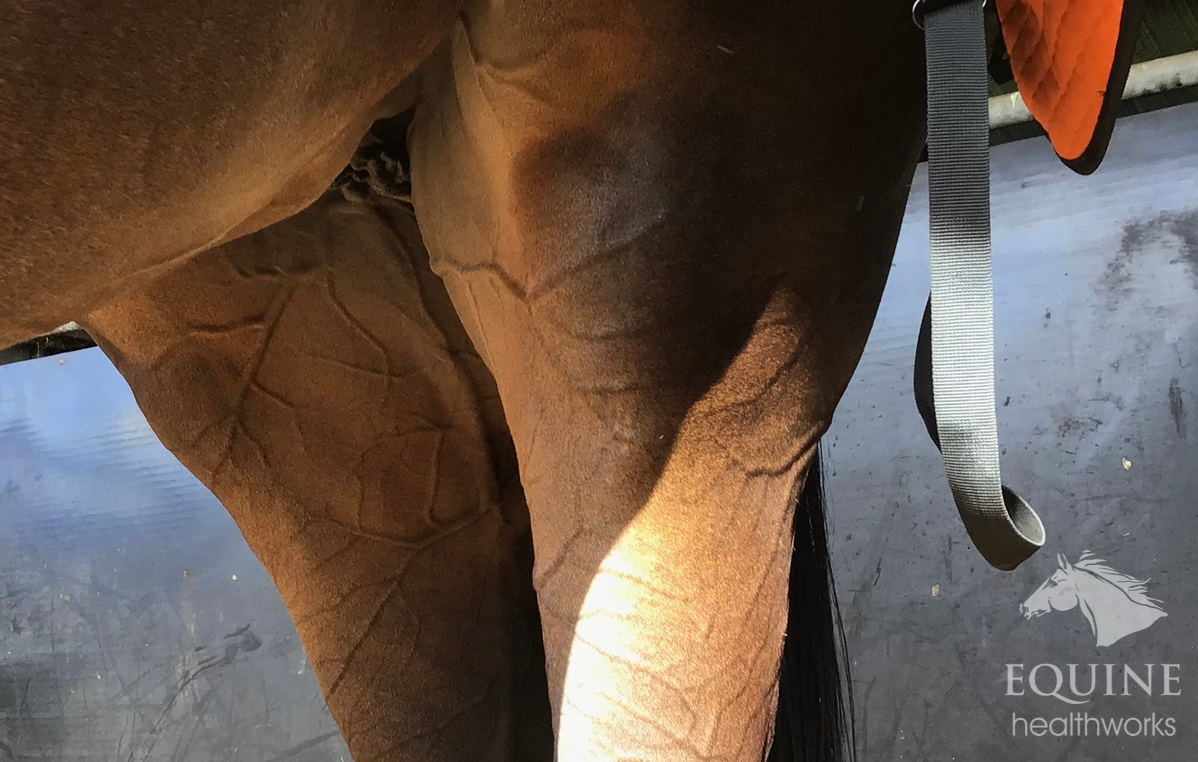
  • Many horses show a response that suggests parasympathetic nervous system activation. There is visible dilation of blood vessels, particularly around the upper limbs. The pulse is visibly raised along the jugular groove. Horses ‘zone out’, with head lowered, eyes shut, and lips drooping. Then there are all the big sighs with licking and chewing… and the gut rumbles (peristalsis).

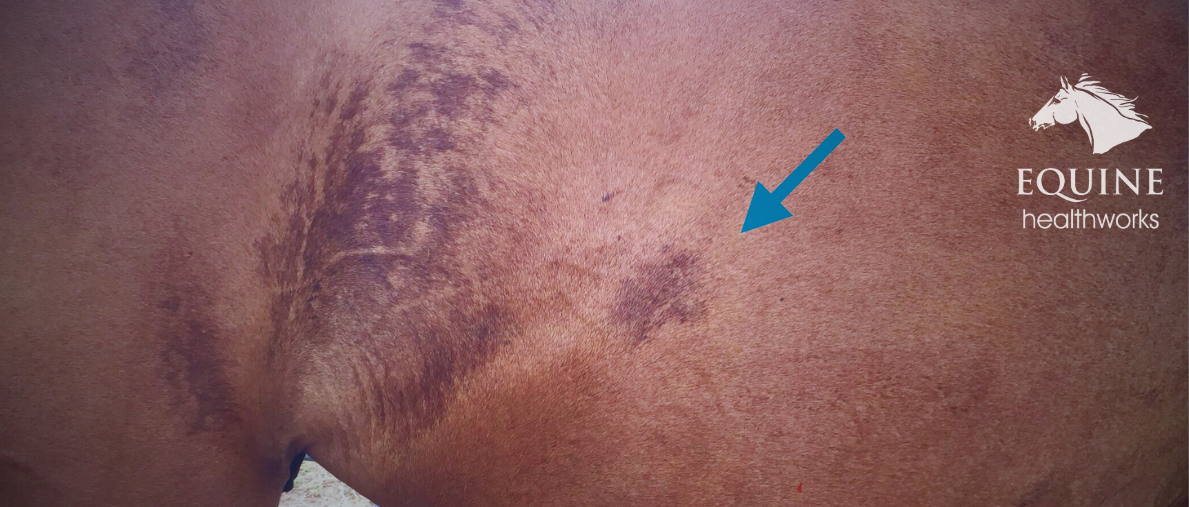
  • Additionally, sweat patches can appear, and muscle twitches (fasciculation) occur randomly.
  • Some horses don’t respond during the first session, but do so later, once they’re able to mentally ‘let go’. I work on  a second horse and look back to find that the first horse is now zoning and yawning, with the blood vessels raised.
  • And yes, the parasympathic state appears to be just a heartbeat away for the rest of the day and night.

In short, what I saw happening was what I’d been watching for nearly two decades of bodywork practice.

I’m a therapist/healer, yet this technology was producing crossover results – how?

What else have I seen happening?

Using the BEMER with equine clients gives me chance to stand back and watch, before assessing progress over multiple sessions.

  • Musculoskeletal

The horse’s muscles are softer when I start to work, vertebral joints free up more easily, and the ‘hard’ tension is often absent from the thoracolumbar fascia.

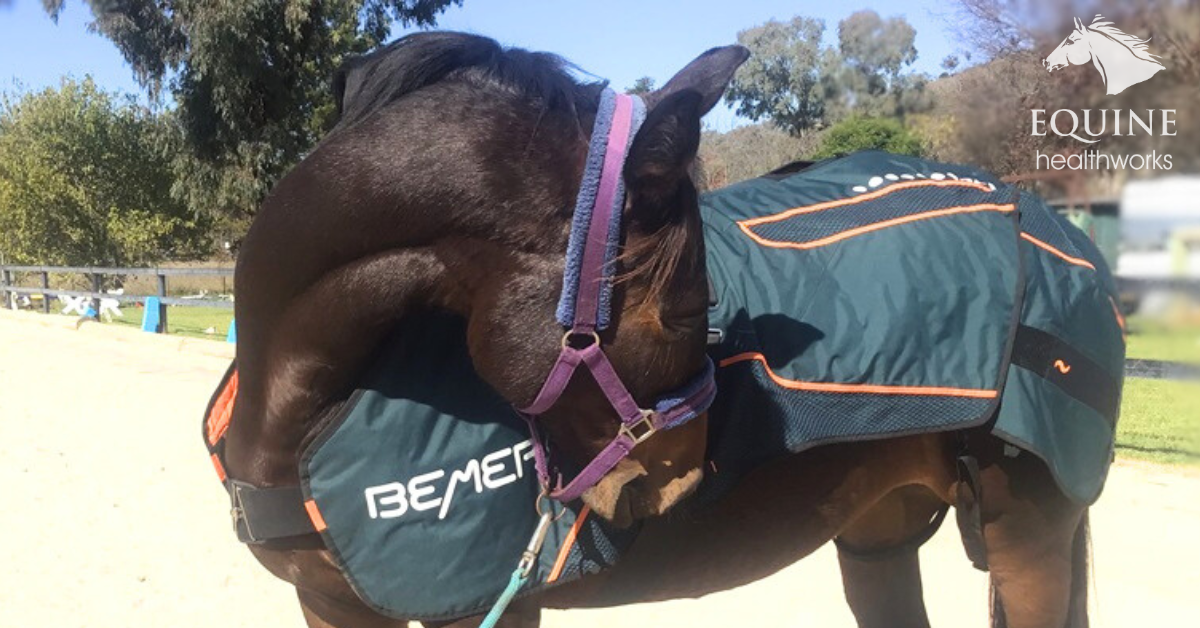
Horses will focus on a problem area as the effect is felt. They turn and look at it, or reach down to nuzzle a knee or foot. I see this as blood flow increasing in a restricted area, causing some form of prickling or tickling (actually, I’ve had personal experience of this with the human BEMER device).

Horse turns to look at problem area.
Horses often focus on areas where heightened sensations are felt, with locations confirmed during the bodywork that follows.

Certain areas of the body may sweat and these often correspond to known problem areas. I put this down to ‘ischemia’, the inward rush of blood to an area where supply has been compromised through injury or lack of use.

Sweat patch at an injury site post-BEMER
After a BEMER session, sweat appears at the location of an injury received a week before. Related ventral odema disappeared by the following morning.
  • Posture

Horses with bad hoof imbalances will shift around a lot. Again, I’m thinking about sensations felt when blood supply improves – and the hooves are certainly subject to a degree of blood perfusion that can be restricted or impaired. (And I hope that current hoof balance allows its restoration…)

This also happens with lumbar spinal and pelvic region issues – the horse shifts weight between the hinds as sensations increase.

Horses shift their weight and square up. I’m certain that there’s also an afferent effect from the signal – proprioceptive awareness increases or is restored.

Horses often shift weight and very deliberately square up during a session.
  • Injury

Bruising doesn’t happen when we might expect it to, for example, post-surgery. I’ve seen this absence (if that makes sense) in a pink-skinned horse – in that instance, the vet expressed surprise at lack of post-surgery bruising and swelling, without knowing BEMER had been used.

Swelling reduces rapidly or even fails to develop at all, as fluid (oedema) is swiftly moved.

  • Circulation

While it’s normal for veins and arteries to become raised under the skin during bodywork, this is even more intense as many tiny vessels also become dilated.

Even smaller blood vessels become dilated and raised
Vasodilation is a frequently seen bodywork effect, but here there has only been a few minutes with the BEMER.

In horses where an immune response is already visible, in the form of overdeveloped lymph nodes, hives, etc., signs can disappear overnight.

Dull horses become bright in the eye again. Horses with either no known or supposedly resolved veterinary issues, suddenly improve after a session or two. Health has been restored to an internal problem that we may have known nothing about and probably never will.

  • Temperament

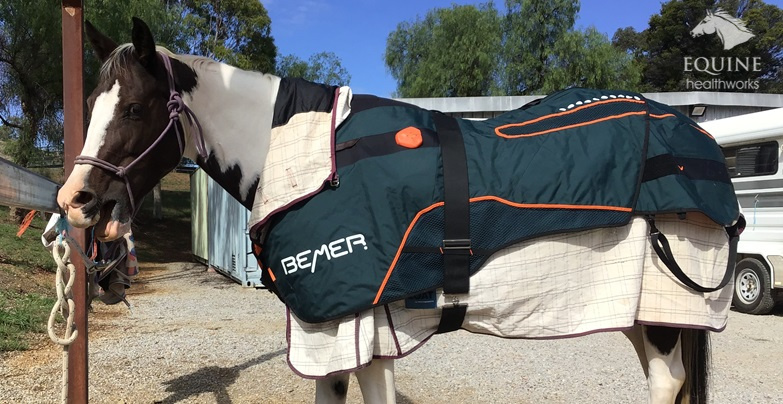
Very anxious horses can respond with parasympathetic activation almost instantly, within the first 1-2 minutes. It is as if their exhausted nervous system is on a knife edge, ready to shift states. These horses appear to be have extreme sensitivity to the blanket, as befits this problem.

Paint mare responding to BEMER
Some stressed horses, like this anxious paint mare, respond within a couple of minutes of the BEMER being activated.

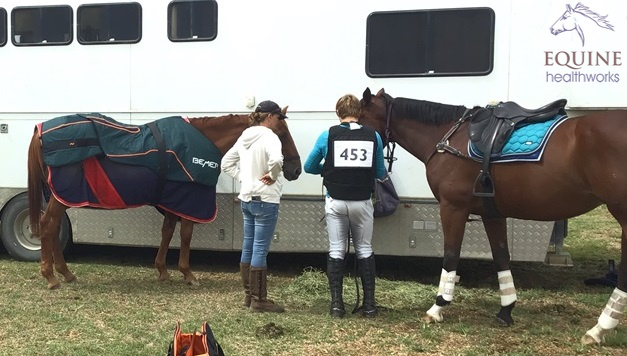
Not strictly bodywork-related but certainly client-horse-related: Performance horses can become more relaxed at events, and therefore more focused in classes. Quality of rest during their overnight stays appears to be improved.

I’ve also seen how separation anxiety at events can be drastically reduced through use of the blanket.

Swifter, more effective warm-ups are valuable for horses at all stages of their careers.

Unpacking these effects

Our appreciation of BEMER’s benefits must rest in understanding HOW and WHY circulation is often compromised, even in small degrees that we’d never usually be aware of.

Because, whether you’re coming to bodywork from the Western or Chinese perspective, adequate blood supply is the touchstone of life.

Some of the physical effects described here can be explained by the (researched and evidenced) fact that BEMER targets microcirculation, moving blood to the areas it needs to reach and where it has been restricted.

Restoring circulation quite clearly doesn’t mean simply warming up muscles – although it does do that. Basically, all the tissues in the body that receive blood are being nourished, something that is essential to the healing process.

As improved bloodflow returns, the horses often focus on an area of their body. I assume they’re experiencing a prickling or ‘pins and needles’ effect (again, I have experienced this directly). They don’t appear to be worried, although they can be distracted. The returning bloodflow also appears to create heat and unusual areas of sweat.

The horse often shows its awareness of where something interesting is happening in the body.

There’s a lymphatic effect too, as interstitial fluids leaked from capillaries are eased away from the tissue to start their journey via lymph vessels back to the heart. I assume the BEMER signal is stimulating this process, via the improved action higher up the circulatory network. Lymph vessels are also able to function more freely at ever level.

There simply has to be an improvement in nutritional uptake after illness. This is due to parasympathetic activation (‘rest and digest’), but another factor is starvation and lack of stimulation of digestive blood flow that’s associated with an low level of digestive processes (due to lack of food).

Blood collects nutrition from the gut to deliver through the body. And if the blood circulation has been depleted and is then stimulated… we are looking at multi-level improvements, at point of collection, transport, and delivery.

Thoroughbred Broodmare
Thoroughbred broodmare receiving some assistance.

When less is more (or different)

This brings me to an important point. Again, it’s solely my personal viewpoint based on observations.

Many people using different modalities have different preferences and not all follow the same lines of thought, which is of course fine!

Yet some will always say that a device needs to run with greater intensity to reach ‘deep enough’ in the horse’s body.

To me, that’s like viewing the body as inert tissue that needs to be physically penetrated in some way.

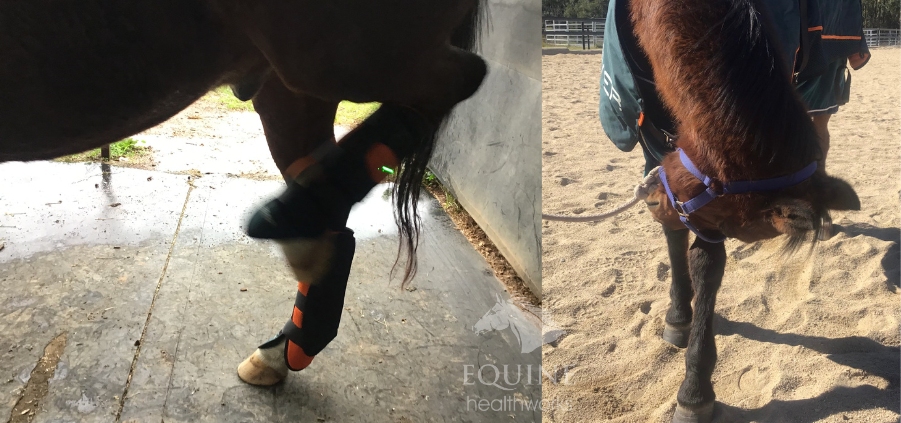
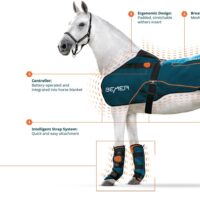
The leg ‘cuffs’ are independent units, which gives scope for further targeted addresses on the limbs after the blanket session.

Devices that have greater strength or intensity work, of course they do. But very often I find that the key difference is not in whether high-powered or low-powered devices are more effective, but in how quickly that effect happens.

Even then, that’s not a hard and fast rule, as horses are individuals and any holistic approach brings different results in different individuals at different speeds.

Talking to the Central Nervous System

Due to my own hands-on work, I’m very aware that there’s no need to go heavy when stimulating change in the body.

My view is that you don’t need a hammer to crack this particular nut. Quite the opposite, in fact.

BEMER’s electrical frequency is tiny, yes. So is its magnetic density. But there’s a number one reason for that: it’s emulating a specific neuronal signal in the body.

And not just any signal: one that’s essential to maintaining the optimal health of all its tissues (more here).

And seeing this as a weakness is to do a serious disservice to the equine peripheral and central nervous system.

Why? Because light contact creates afferent impulses can bring about change.

And what does that mean?

Stimulated by touch, afferent (sensory) signals carry information to the brain, where it is integrated and processed. The brain then coordinates a response via efferent (motor) signals back to the rest of the body (more explanation here).

It’s Also What Feels Right To Me

The way we adopt technology in our work is a choice.

I believe that many tech devices work, but in different ways. I obviously have preferences. I would never have deep tissue massage or high velocity chiropractic for my own body and have no desire to administer anything that impactful to a horse either.

I think we can do better than that now, given what we know.

That’s why, due to the way that BEMER works – gently harmonising with the body to guide its systems back towards homeostasis – this device sits very comfortably within my practice.

And at last, I can understand what my colleagues have been going on about for so many years.


Below: Fresh from the paddock, this driving pony received a full body session and then extra focus on his neck.


BEMER: The World Leading Therapy Rug

BEMER: The World Leading Therapy Rug

How Does The BEMER Blanket Work?

How Does The BEMER Blanket Work?

Vets talk about the results they achieve with BEMER

Vets Discuss The Benefits Of BEMER

The Science to Date

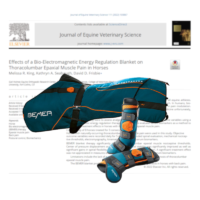
What The Science Says About BEMER

BEMER: The Technical Specifications

BEMER: The Technical Specifications

Store for Your Whole Horse Care

Store for Your Whole Horse Care

BEMER And Bodywork: What I'm Seeing And Why I'm Hooked

BEMER And Bodywork: What I’m Seeing And Why I’m Hooked

Filed Under: Bodywork Tagged With: bemer, BEMER blanket, BEMER Equine, BEMER for horses, BEMER horse blanket, BEMER horse rug, BEMER horse set, BEMER rug, BEMER therapy, buy BEMER Australia, Equine BEMER, PEMF blanket, PEMF for horses, PEMF rug, PEMF therapy devices, PEMF therapy horses, what is pemf therapy

  • Page 1
  • Page 2
  • Page 3
  • Interim pages omitted …
  • Page 6
  • Go to Next Page »

Footer

Contact Me

Send your questions this way…

Get in Touch

  • Store Support
  • Shipping
  • Returns
  • Contact

Copyright © 2026 · Parallax Pro on Genesis Framework · WordPress · Log in