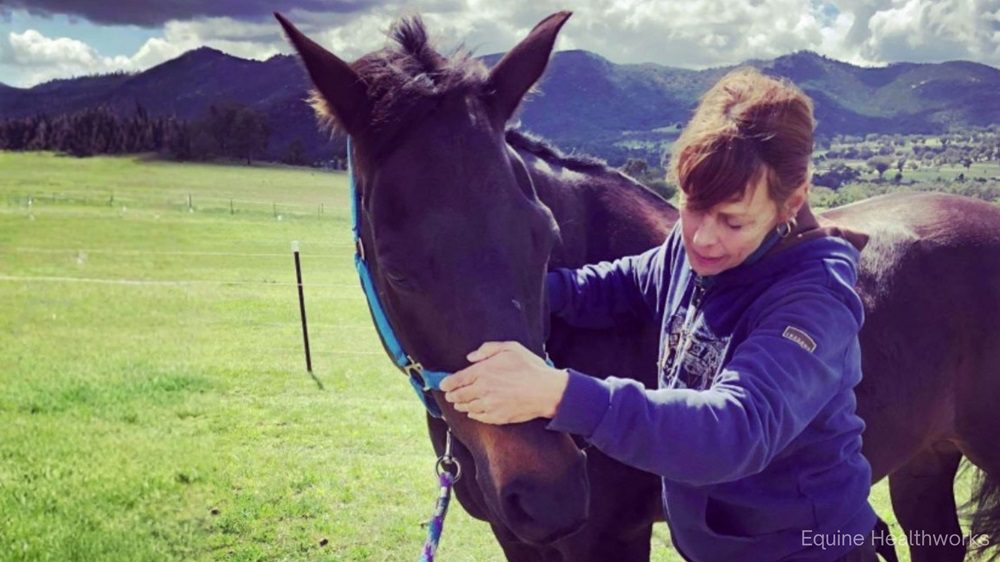
When your horse needs some help…
If your horse is in pain, or experiencing discomfort or limitation due to injury or some other reason you can or can’t identify, we should talk.
My name is Dr Jane Clothier and I provide hands-on bodywork with acupuncture for horses in and around Tamworth NSW (with regular visits to Armidale, Dorrigo and Coffs Harbour).
With extensive training in musculoskeletal therapies, saddle-fit training, a Graduate Diploma in Veterinary Acupuncture, and a PhD in equine development issues, I am skilled and experienced in recognising and understanding changes in movement or posture that show a horse has a problem.
I approach your horse with a strong set of skills and 20 years’ experience, working quietly with an empathetic manner, achieving positive results in the simplest way possible. Please note that I’m not a vet and don’t diagnose, but will recommend a veterinary visit if necessary – if your horse is lame, please always contact your vet first.
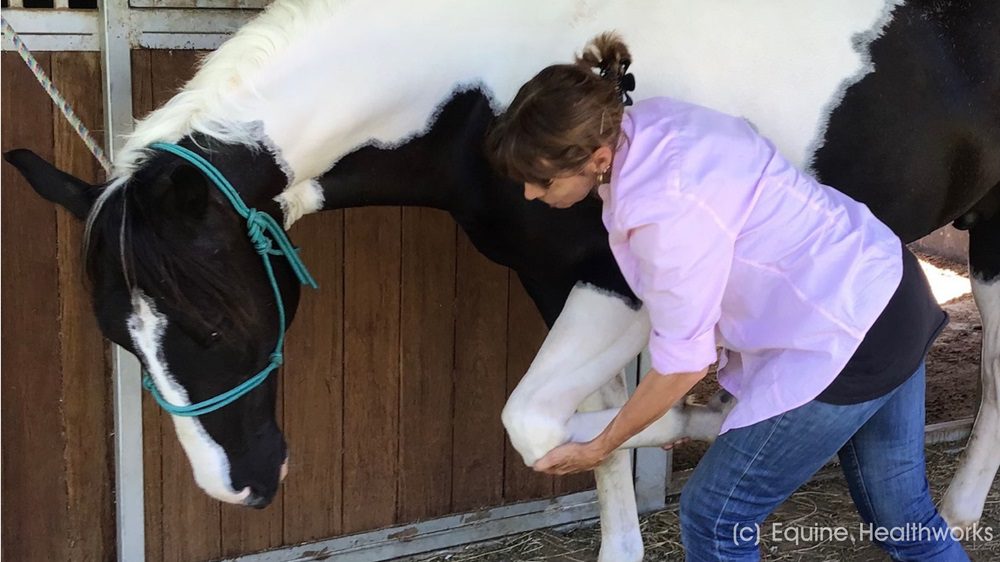
My priority is to maximise your horse’s physical comfort and freedom of movement, which involves working through sources of physical tension, pain or stress. I aim to understand what may underlie any problems we find, so that you can go on to make any adjustments in saddlery, hoofcare etc., if necessary. In this way, my work aligns with the rest of your horse’s professional care team.
How does my bodywork help?
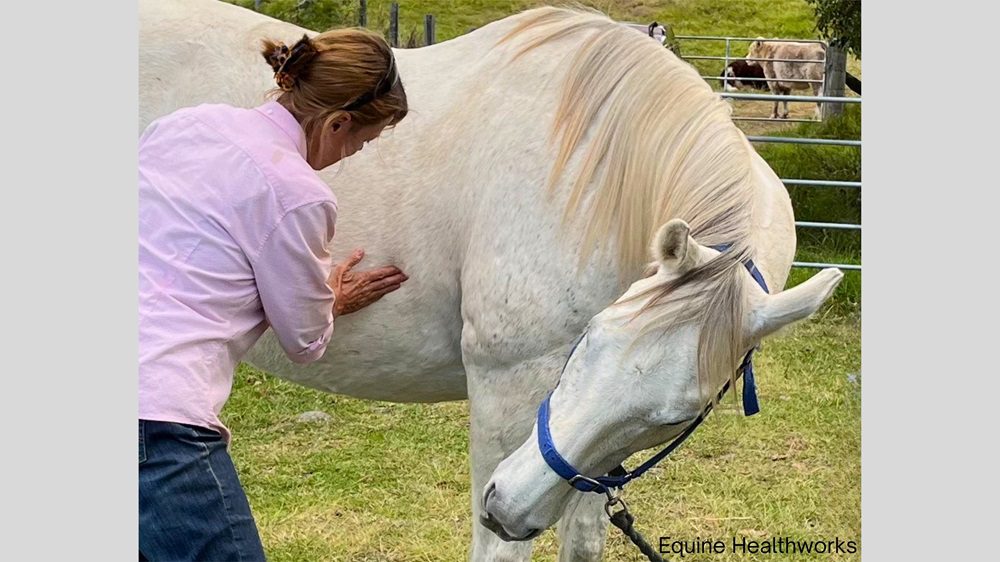
My work is minimal, being light and therefore easy for even the sore horse to accept. All the moves are designed to work with the horses body, not to forcibly adjust it. It’s astonishing that such gentle work can achieve profound change – but it can. I’ve added more information about it here: My Bodywork Approach.
I work on specific problems, but the changes and improvements benefit the whole horse. This means that the complex interplay of different issues – some connected, others unconnected but present at the same time – can be unravelled. It’s common for owners who have sessions over a period of time to see high level improvements, with their horse actually better than before they were injured.
What problems do I work on?
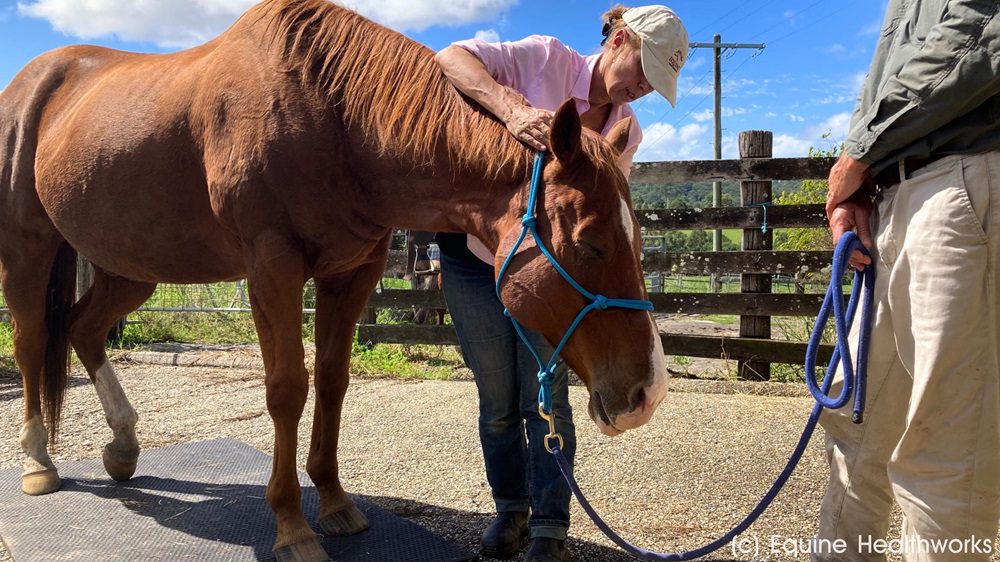
The answer to this is huge! But generally, people call me because they are concerned their horse has a sore back, is moving unevenly or stiff behind, is getting over an injury, has had a recent fall, is showing difficulty lifting a leg for the farrier, had had colic or laminitis, is a new horse, has a new saddle and needs a check, etc.
Owners of performance horses may have noticed their horse being a bit off, that it is struggling with the training work load, or would benefit from support work befitting an athlete as they come back into work or progress through the season. And then there are the mares that have foaled, and the foals that have been born.
If you’d like to discuss your horse and whether I might be able to help, please do call me on 0447 672523 or send an email.
How do horses respond?
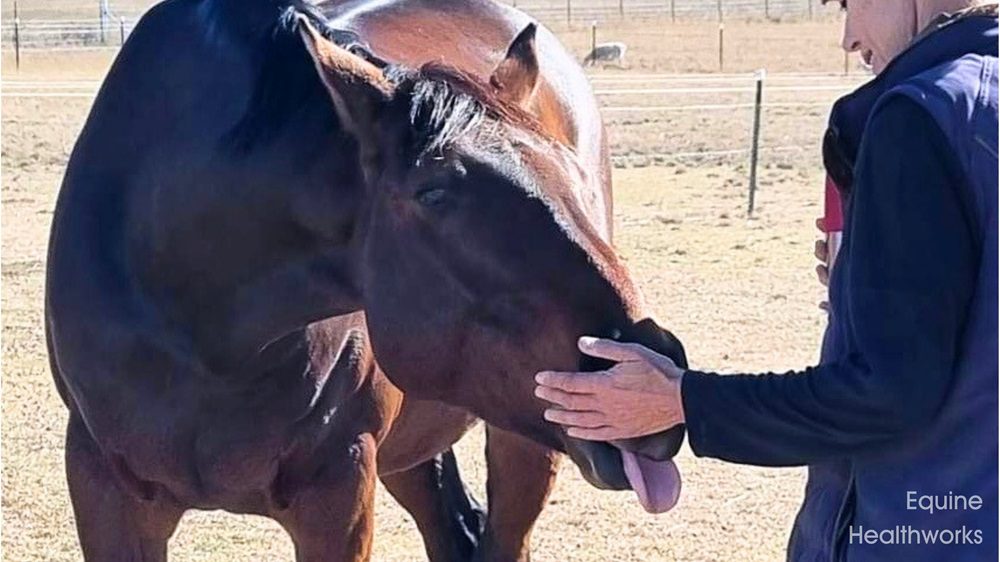
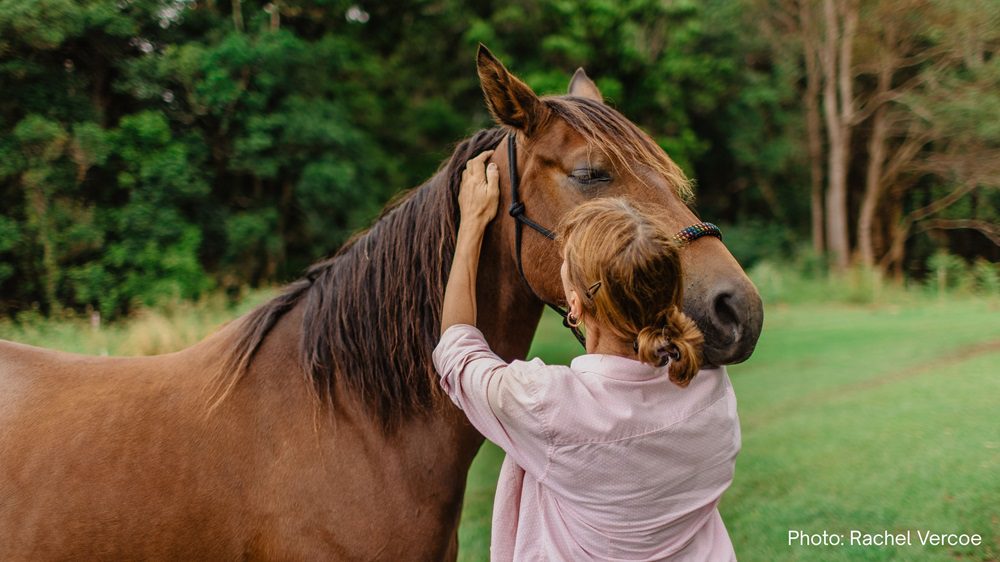
Horses find this type of work very acceptable! Most respond with deep relaxaction, softened eyes, exhalations, and yawning. These are signs that their nervous system is responding on a parasympathetic level – i.e. rest, digest and repair (as opposed to fight or flight).
Sometimes, it may take more than one session before a horse fully relaxes. This is because some are simply very stoic. Others may have psychological barriers raised for various reasons and are unwilling to ‘let go’. This may be because they’ve been experiencing a problem for some time and are pushing on. And sometimes they just don’t know what to expect and are being cautious.
The good news is that it doesn’t matter if they respond positively during the actual session – my experience over two decades has been that they will rest later on, with the biggest changes happening over the next 24 hours. We usually find that their interest level is very much increased on the second session!
What happens after a session?
Afterwards, horses usually rest deeply, so working the same day isn’t recommended. After the first session, it is best to allow the horse to rest for two more days, as the changes and adjustments will be flowing on through the body, in sequence. Regular clients usually have a lighter response afterwards, as their corrections are more minimal.
How many sessions are needed?
At risk of sounding obvious, the first visit is only the start. Thankfully, many issues can be resolved in the first session, but it remains that a follow-up visit is always a good idea, so that we can assess progress made. A second session is also when underlying issues become apparent.
The total number of visits required varies from horse to horse, depending on their individual musculoskeletal health, history of injury, level of work, and sometimes age. It can also be hard to predict, as longer term issues can take longer to resolve, as can a combination of interconnecting issues.
If your horse is competing, it’s worth considering regular maintenance or top-up sessions, to optimise performance, and aid preparation and recovery from training.
How long does a session last?
A first session includes assessment and will usually last around 1.25 to 1.5 hours. Follow-up sessions are around 1 hour.
Call me on 0447 672523 or send an email.
My Bodywork Approach | Reviews | Leave a Review